
Allow Me To Reintroduce Myself: SXSW
Don’t Call It a Comeback
Just last year, the conversation around SXSW was that it was on the decline. Questions were being raised, narratives were forming, and for a moment, it felt like the energy that once defined the festival was fading. But with a refreshed schedule and the continued support of the city of Austin, this year proved something different: SXSW didn’t just return to what felt natural; it helped reassert itself.
Even days after the festival wrapped, the impact still lingers. It’s on people’s minds, in conversations, and all over timelines.
Texas doesn’t lose its staples like that.
Being official media for the past six years under WAVEZ Movement, I’ve had the opportunity to witness SXSW from multiple angles. I’ve seen unforgettable performances, career-defining moments, and the culture shift in real time. Even in the years I attended simply as a fan, those nights always held a special place in my heart. But this year? This year brought that feeling back in full force.
It reminded me why SXSW matters to a growing publication.
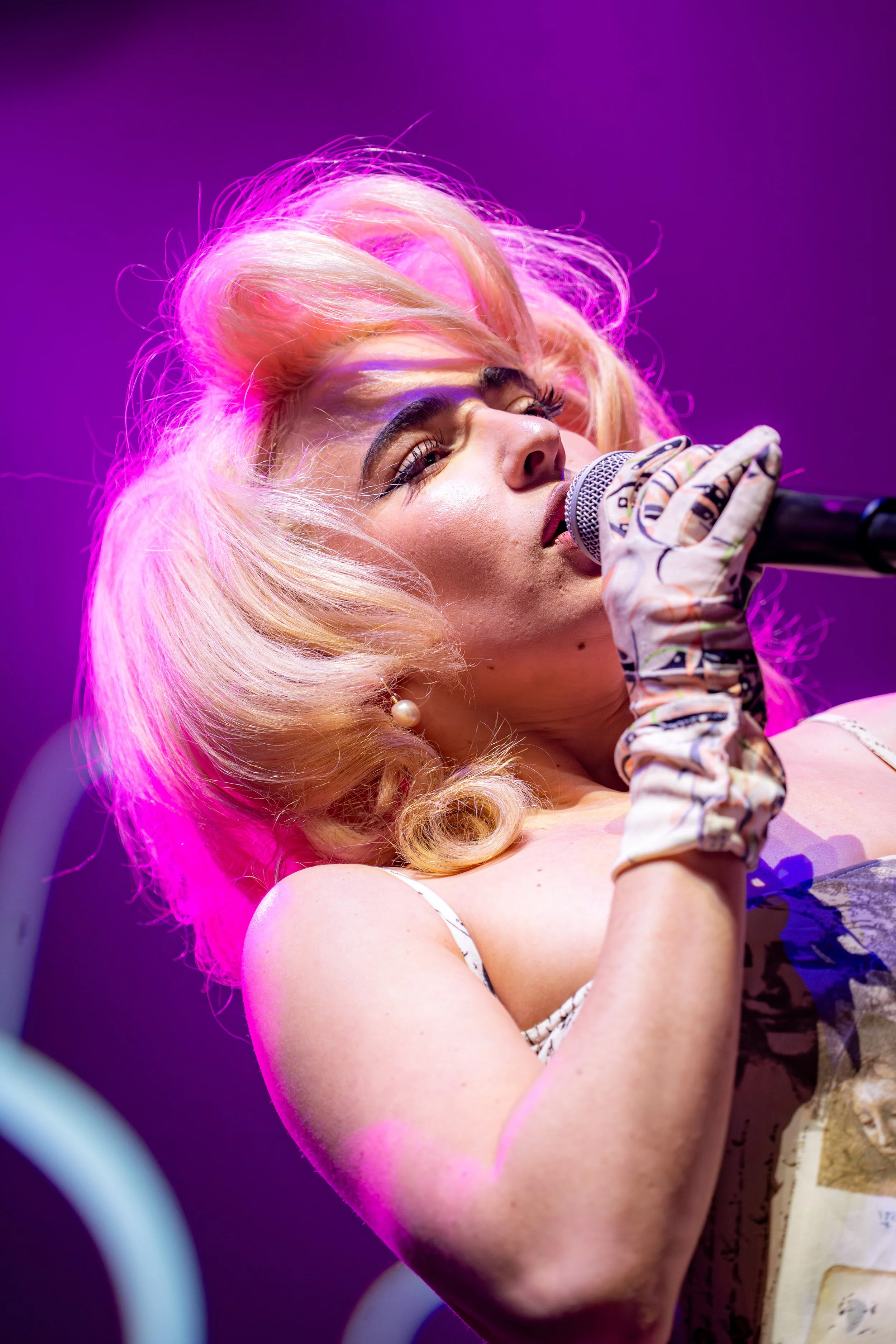
From the jump, the energy across Austin felt different. You could walk into almost any venue and catch a performance that left an impression. Whether it was an emerging act or a major name, the consistency in quality was undeniable.
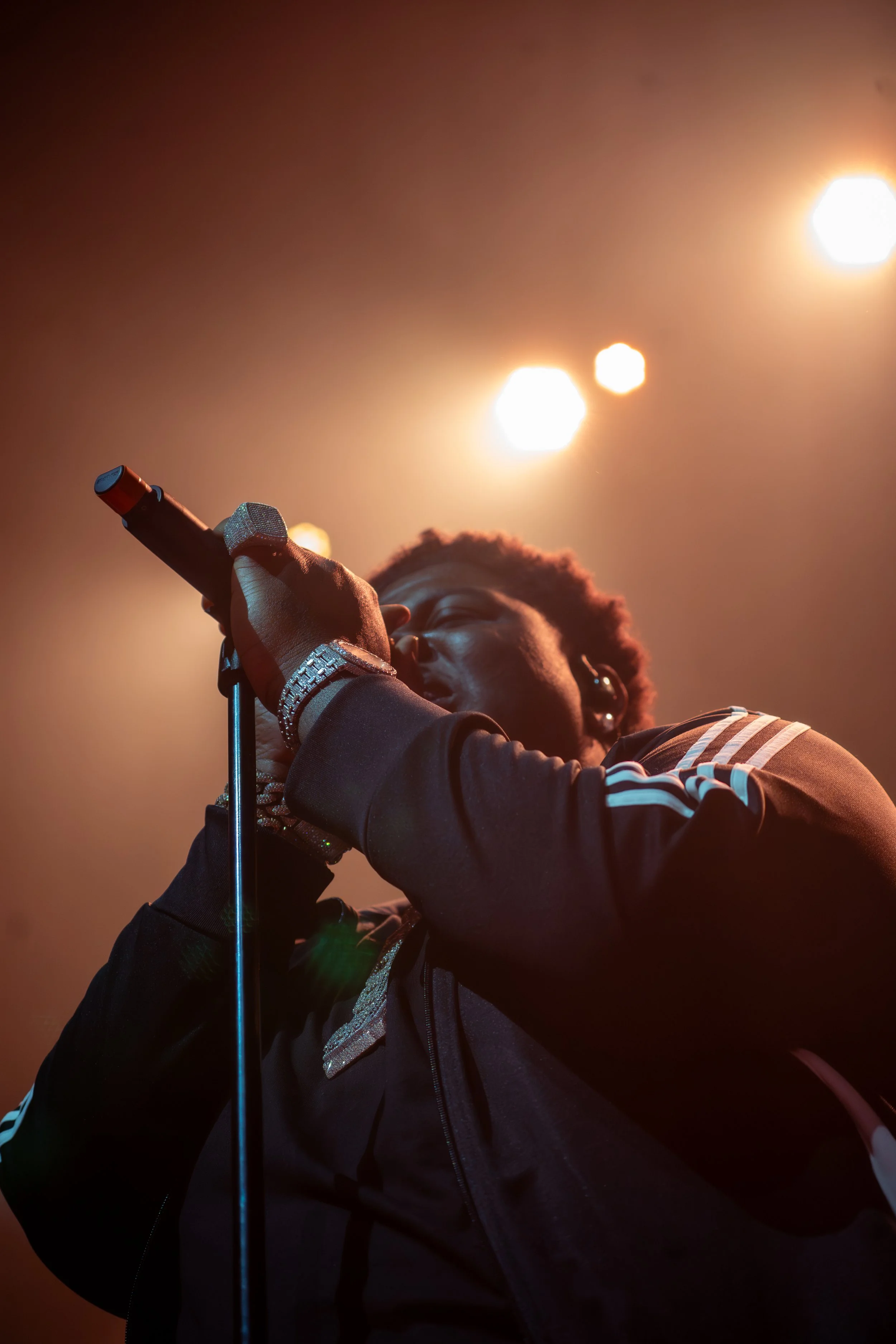
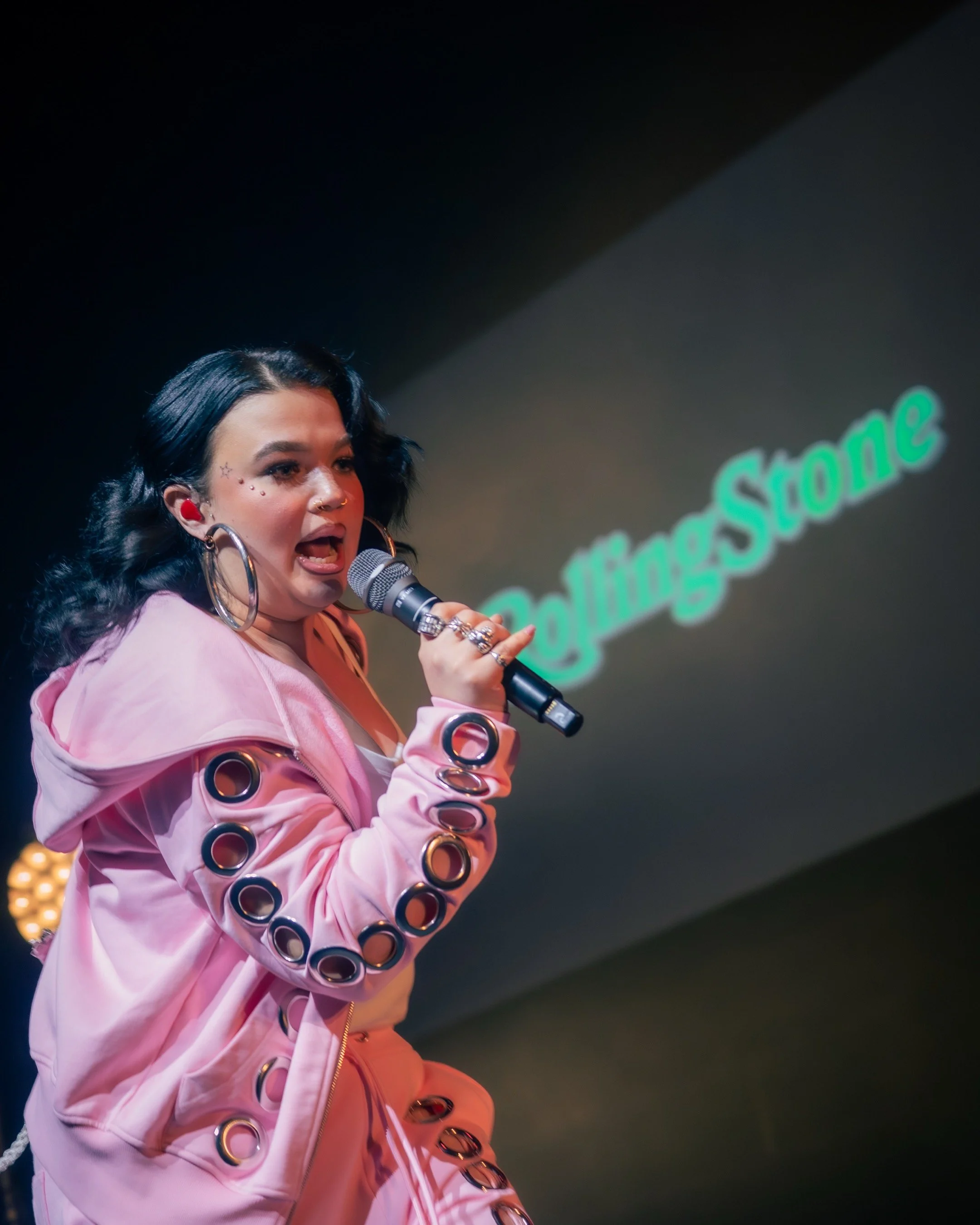
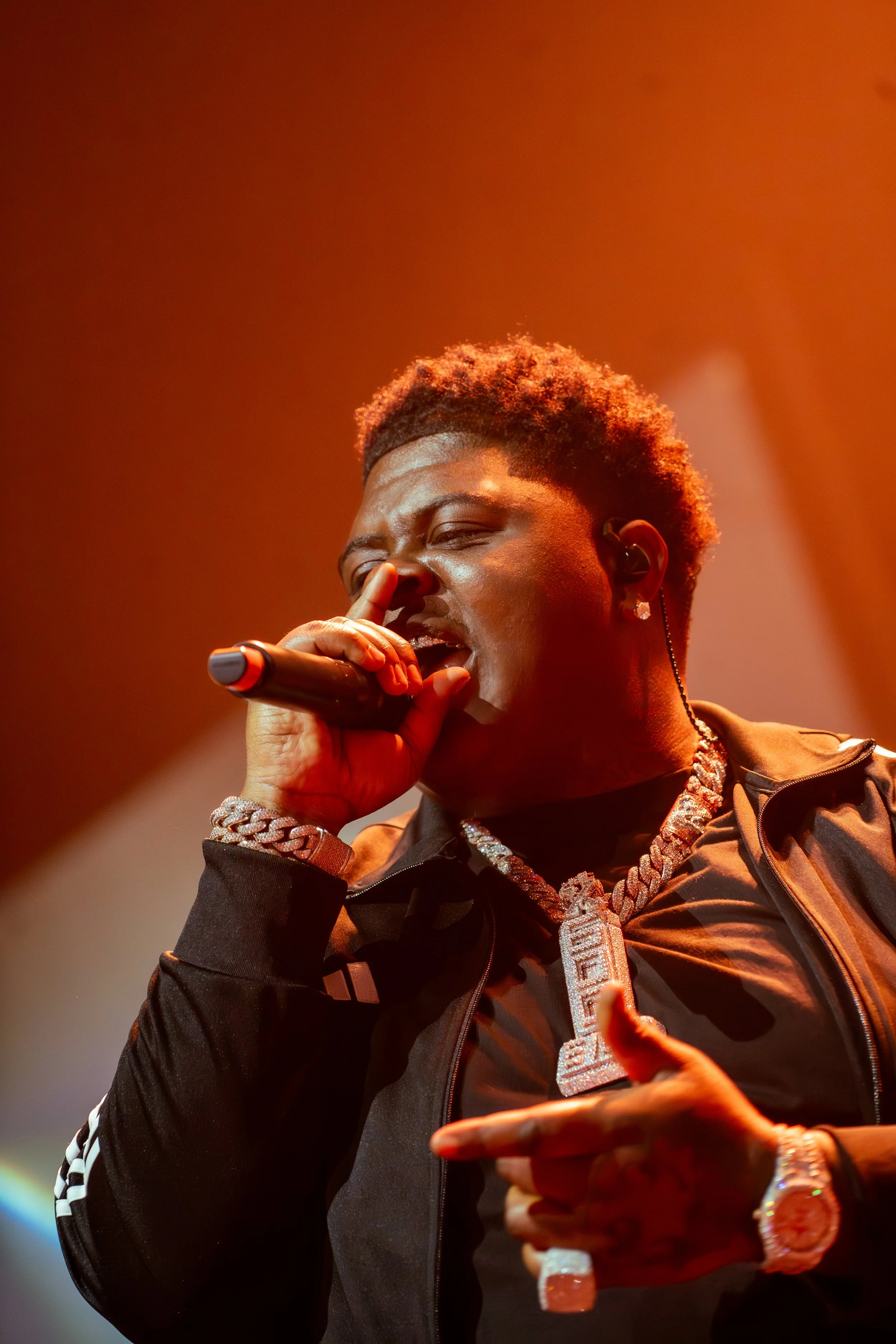
Multiple standout moments throughout the week, but our favorite came from Rolling Stone’s Future of Musicshowcase, which delivered a powerful lineup featuring Lola Young, BigXthaPlug, and Fuerza Regida as headliners. Each artist brought their own wave to the stage, creating a blend of sounds that captured exactly what SXSW is about: discovery, diversity, and elevation.
On the other side of the city, Billboard curated a lineup that matched the week’s intensity. With performances from Don Toliver, Junior H, and Mau P, the crowd was treated to a range of sounds spanning genres while maintaining a cohesive energy. Openers like Yakiyn, who made headway during the performance, also drew attention to the TDE showcase. It didn’t matter where you were in the city; there was always something happening, always something worth tapping into, and that’s the heart of South By.
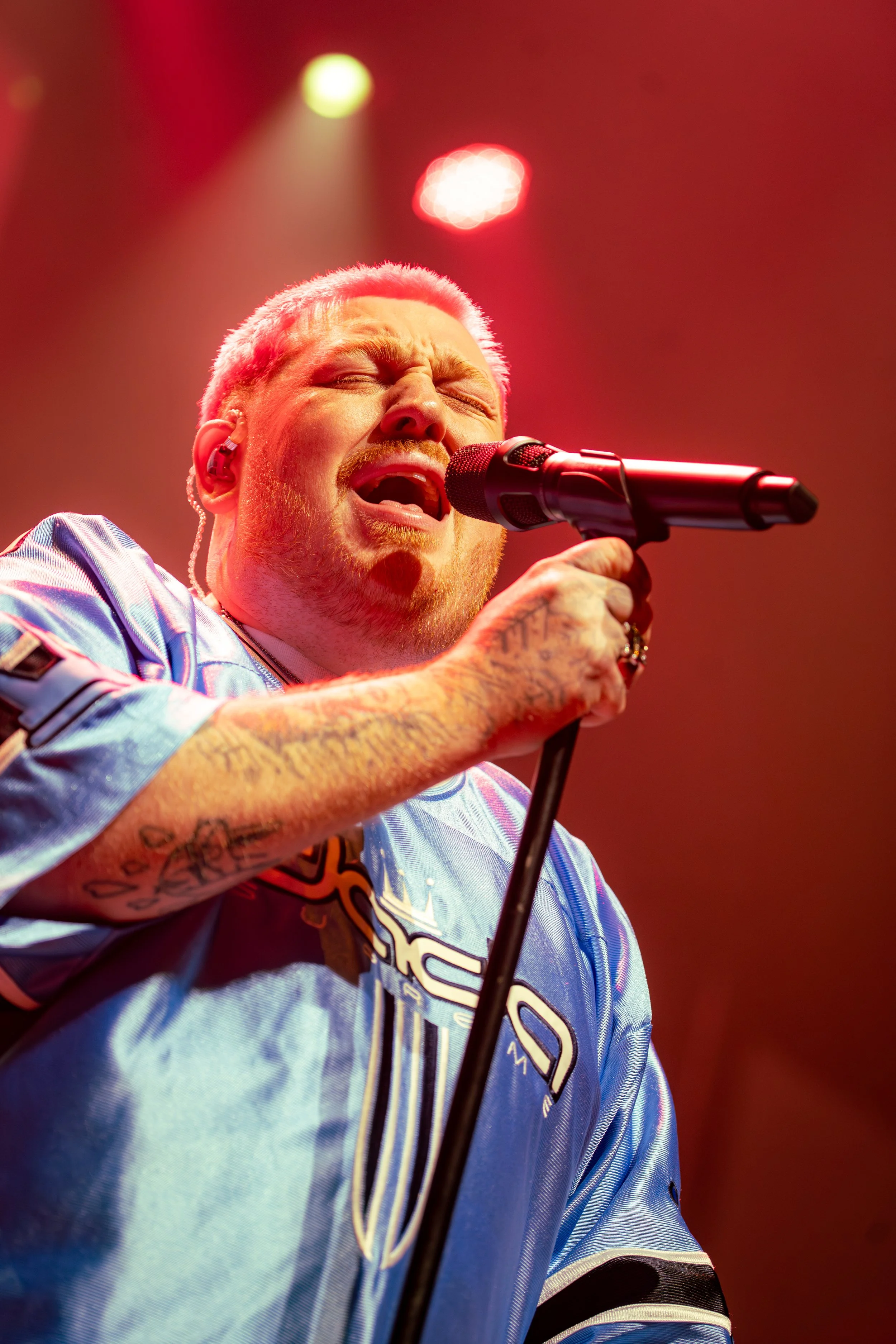
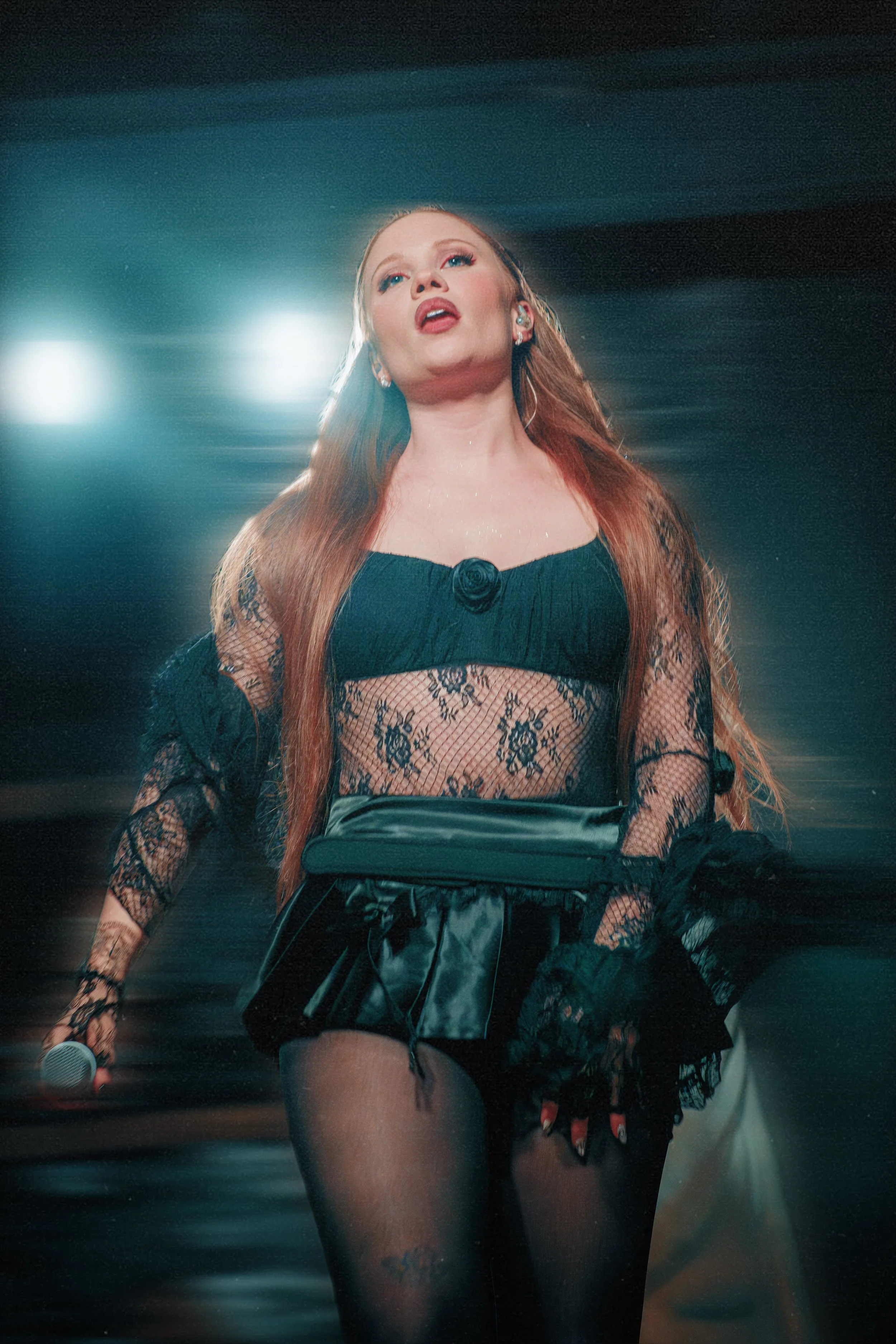
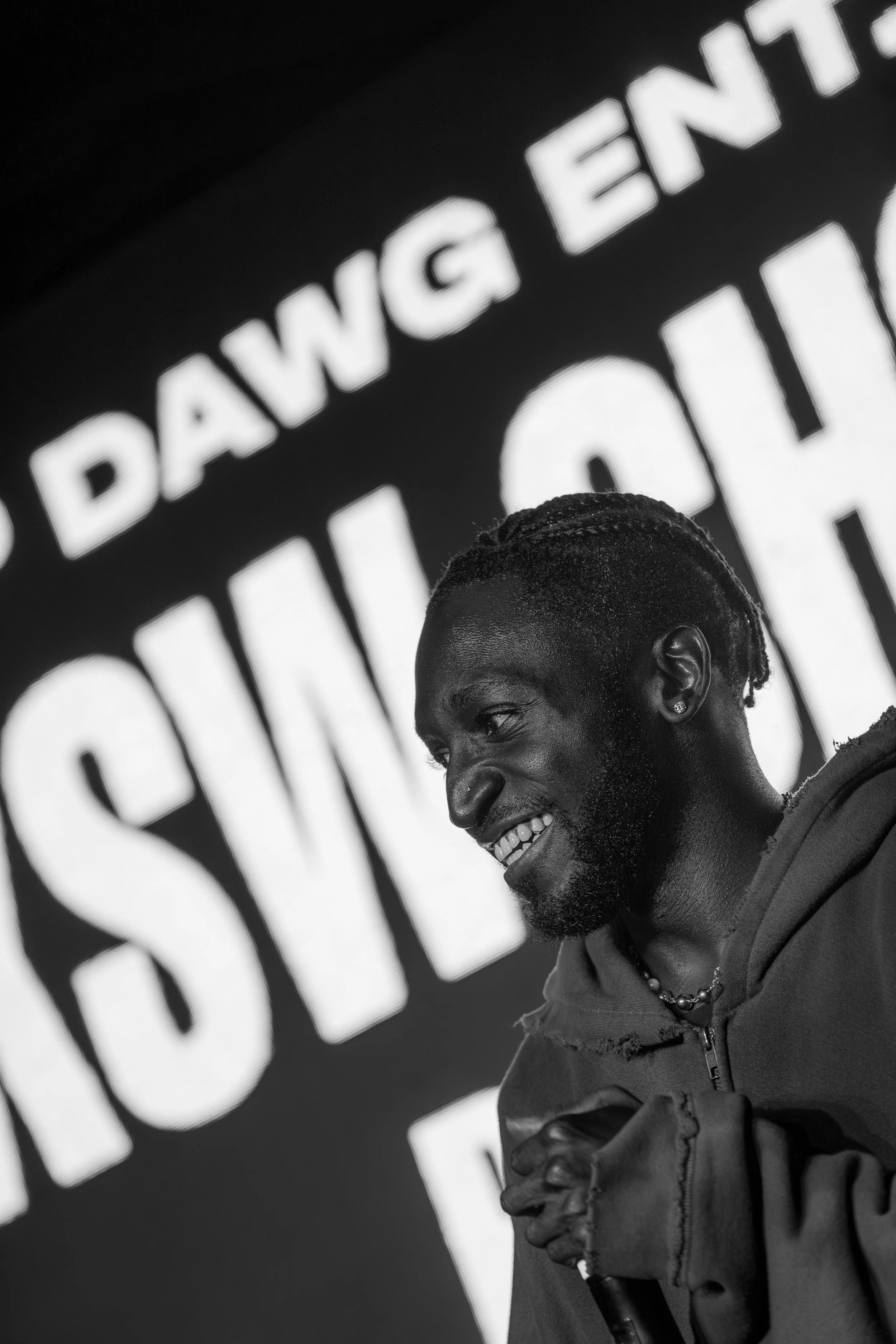
Beyond the music, SXSW continued to expand its footprint across entertainment. I had the chance to attend Paramount+’s The Lodge, which gave attendees an inside look at upcoming releases and major moves within the platform. From previews of anticipated shows like Marshall and The Madison to highlighting established hits like Landman, it was clear that streaming platforms are continuing to use SXSW as a major launch point. They even spotlighted their recent partnership with the UFC, showing just how wide their reach is becoming.
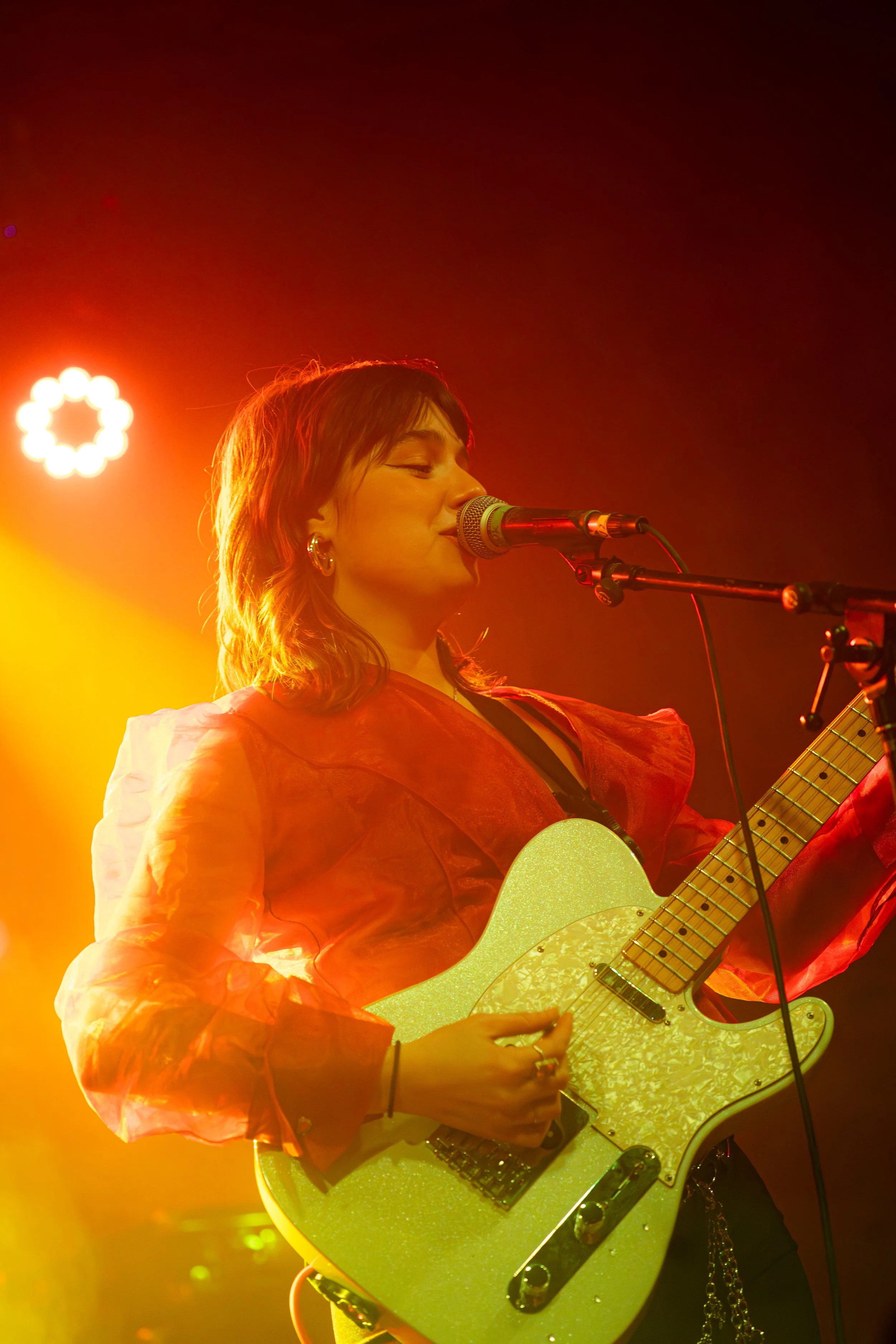
That’s what makes SXSW special; it’s not just a music festival. It’s a cultural hub. It’s where music, film, television, and tech collide in a way that feels organic and forward-thinking.
Brian Hobbs prayed for times like this.
For years, innovators like Brian Hobbs & Edward Castillo stayed consistent, posting daily, speaking on the culture, and warning about the gossip surrounding SXSW. People said the festival was on its way out, that the falloff was inevitable. But in reality, they were projecting their own failure. SXSW isn’t going anywhere. If anything, it’s only getting stronger.
SXSW reminded everyone why it holds weight, why artists strive to perform here, and why media outlets like ours keep showing up year after year. For me personally, it brought back the feeling that made me fall in love with covering events in the first place.
SXSW isn’t declining. If anything, it’s evolving, and 2026 proved that it’s still one of the most important stages in the culture.